


George Washington Carver: The Multi-Dimensional Genius
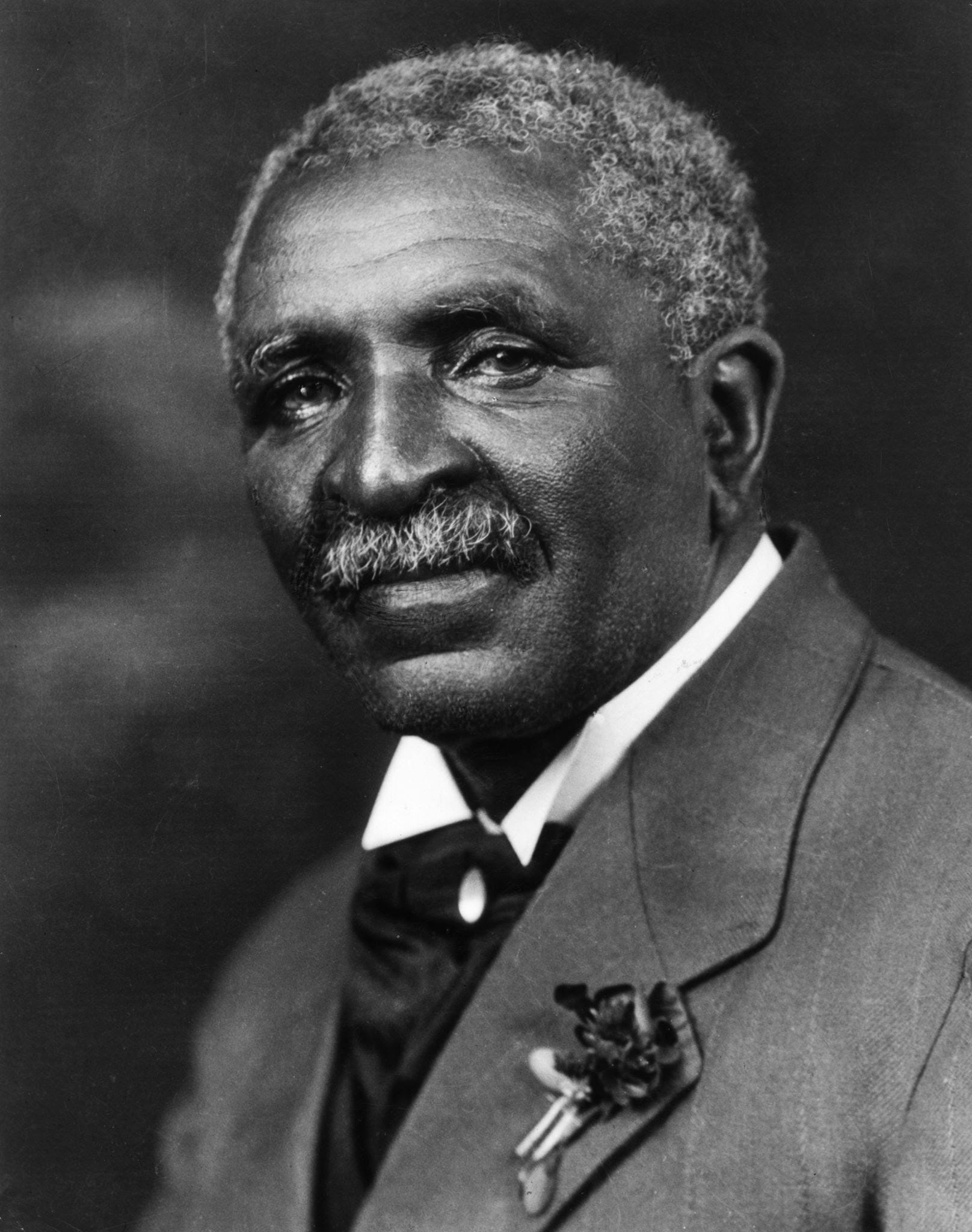
Often relegated to the niche of "Peanut Man," George Washington Carver was so much more—a polymath whose expertise spanned multiple domains, including agriculture, chemistry, art, and education. His versatility sets him apart not just as a "Renaissance Man," a term commonly used to describe someone with varied skills, but as a Polymath, a person of encyclopedic, deep knowledge across multiple disciplines.
From Tuskegee to Transformation
Carver's 47-year stint at the Tuskegee Institute was not just an academic pursuit; it was a multi-disciplinary mission. He used his scientific acumen to improve farming techniques while utilizing his educational background to uplift an entire generation of Black students. Here was a man who wasn't confined to one department; his fingerprints are across multiple facets of the Tuskegee Institute and its legacy.
Henry Ford Collaboration: Soil to Synthetic Rubber
The interdisciplinary talents of Carver attracted none other than Henry Ford. Together, they experimented not just with plants but also with alternative fuels and synthetic materials. Carver’s proficiency in chemistry dovetailed with Ford’s mechanical ingenuity, illustrating how the true power of a polymath lies in the ability to collaborate across diverse sectors.
Polymathy as Service
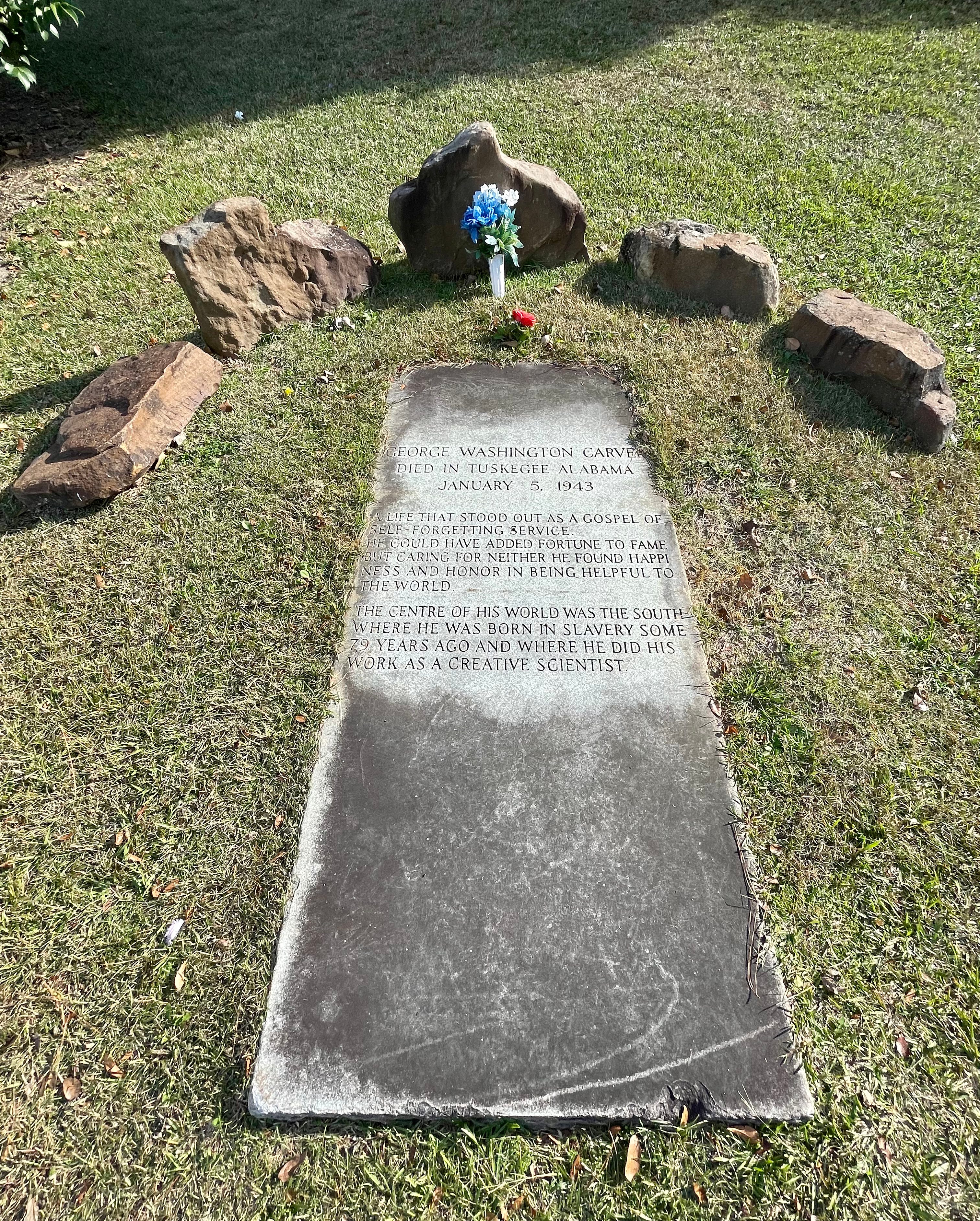
Carver was less concerned with labels and more focused on contribution. His limited number of patents underscores a philosophy that prioritizes public good over personal gain. In a world that often forces us into narrow specializations, Carver’s life stands as a testament to the limitless possibilities of polymathic prowess.
Urgent Need for Polymathic Representation
The erasure or simplification of polymathic Black figures like Carver is a failure of our educational and social systems. The paucity of these stories leaves young Black polymaths without role models, effectively erasing their complex identities and aspirations. This deficiency also impacts families, who must grapple with their children’s multi-dimensional talents in a society that often seeks to pigeonhole them.
What's Next?
The future should not just celebrate polymaths like Carver but aim to cultivate them, particularly within the Black community. To achieve this, we must expand the narrative, advocating for more diverse representations in media, academia, and beyond. It is time we go beyond the renaissance paradigm and fully embrace the concept of the Polymath, as exhibited by individuals like George Washington Carver, to draw a more complete and inspiring picture of human potential.